Sewage backups are one of the most hazardous types of water damage a property owner can face. Contaminated water from sewer lines can contain bacteria, viruses, and harmful pathogens that pose serious health risks if not cleaned and disinfected properly. When sewage enters a home or business, professional restoration is essential.
Grand Rapids Water Damage Pros provides professional sewage cleanup in Grand Rapids, Michigan, helping homeowners safely remove contaminated water and restore their property after a sewage backup.
Our technicians use specialized protective equipment and professional sanitation procedures to remove contaminated water, disinfect affected areas, and restore safe living conditions.
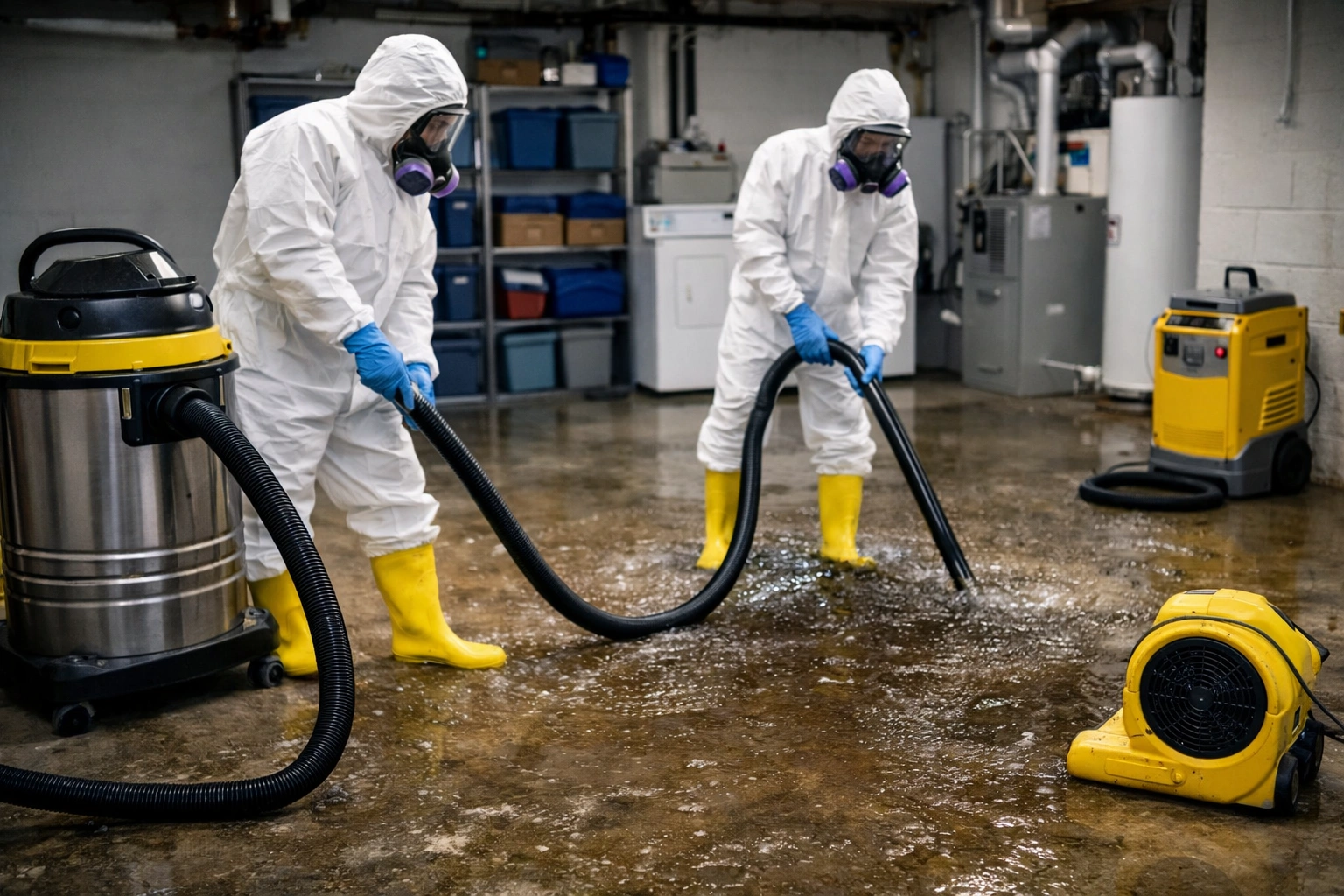
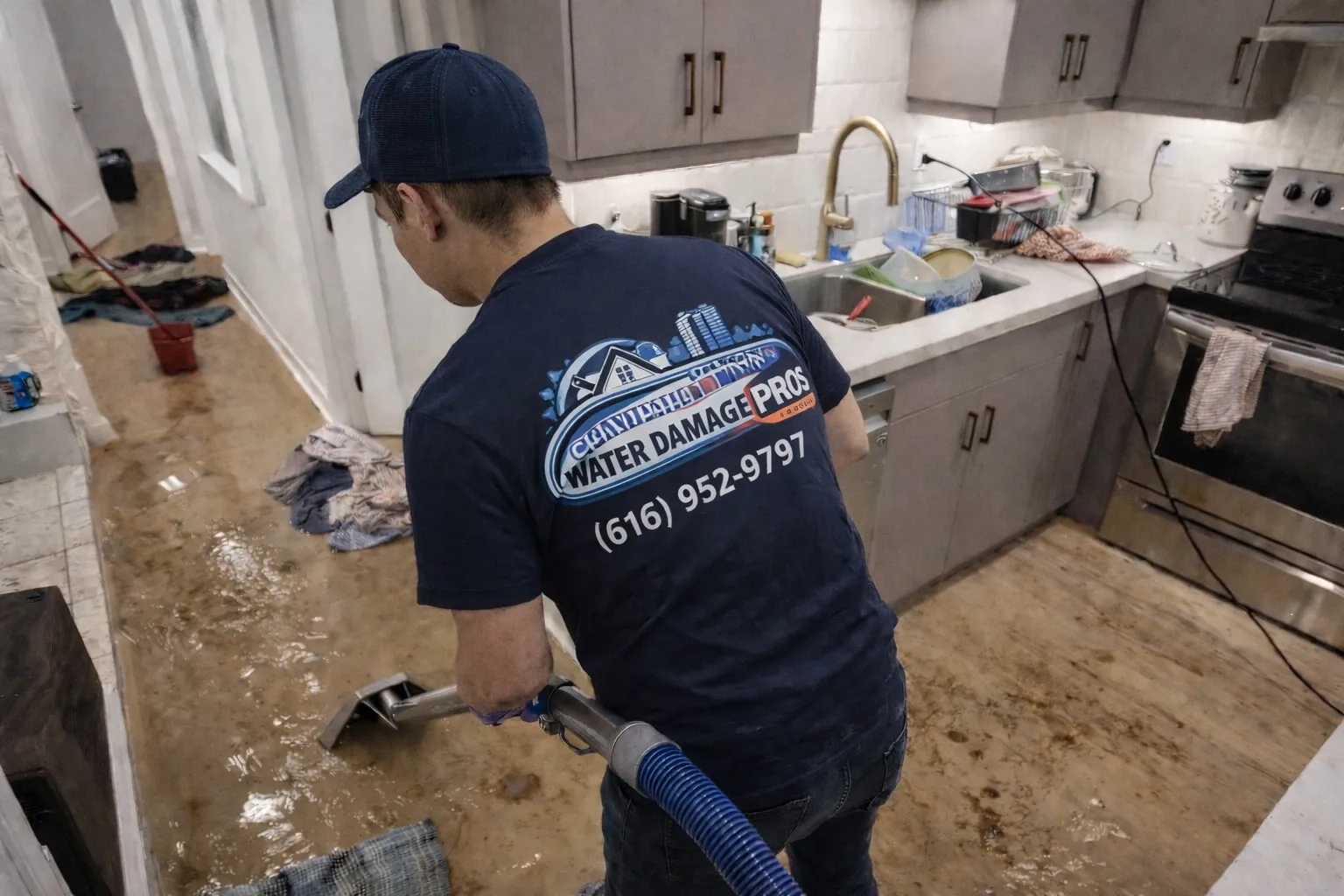
Sewage backups often occur without warning and can quickly spread through floors, walls, and personal belongings — immediate cleanup is critical
When sewage backs up into a property, our water extraction services remove contaminated water quickly and begin the sanitation process immediately. For severe flooding situations, our flood cleanup services may also be required to fully restore the affected areas.
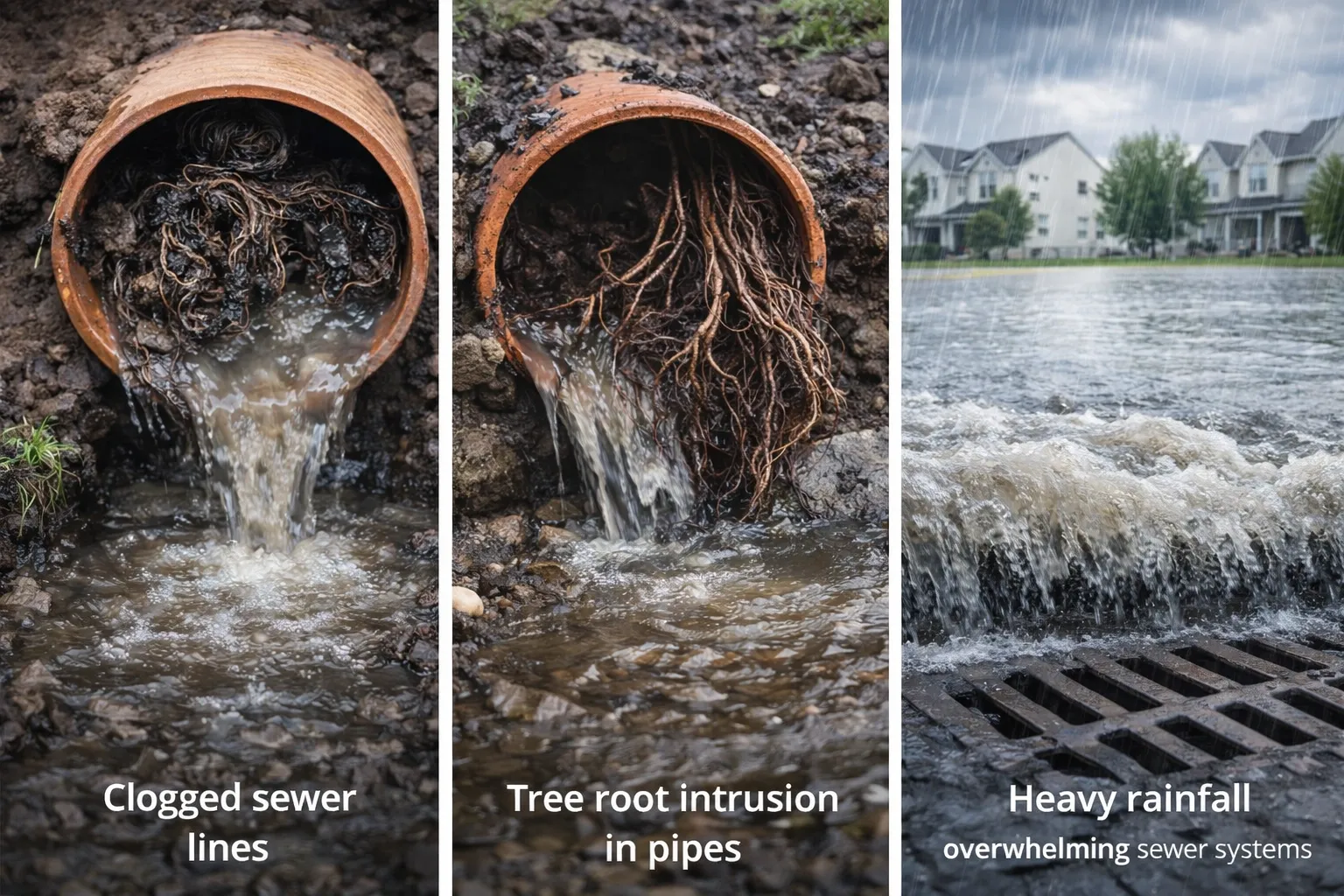
Sewage backups in Grand Rapids homes can occur for many reasons. When sewage enters a property, immediate cleanup is essential to prevent contamination and structural damage.
The basement is the most common area affected by sewage backups because drain lines and floor drains are located at the lowest point of the home. A backed-up sewer line can fill a basement with contaminated water very quickly.
Basement sewage cleanup requires more than pumping out water. Any finished materials — drywall, carpet, insulation — that were in contact with sewage must be removed and properly disposed of. Our thorough process ensures your basement is completely decontaminated before drying begins. Our basement flood cleanup services address all aspects of below-grade water damage.
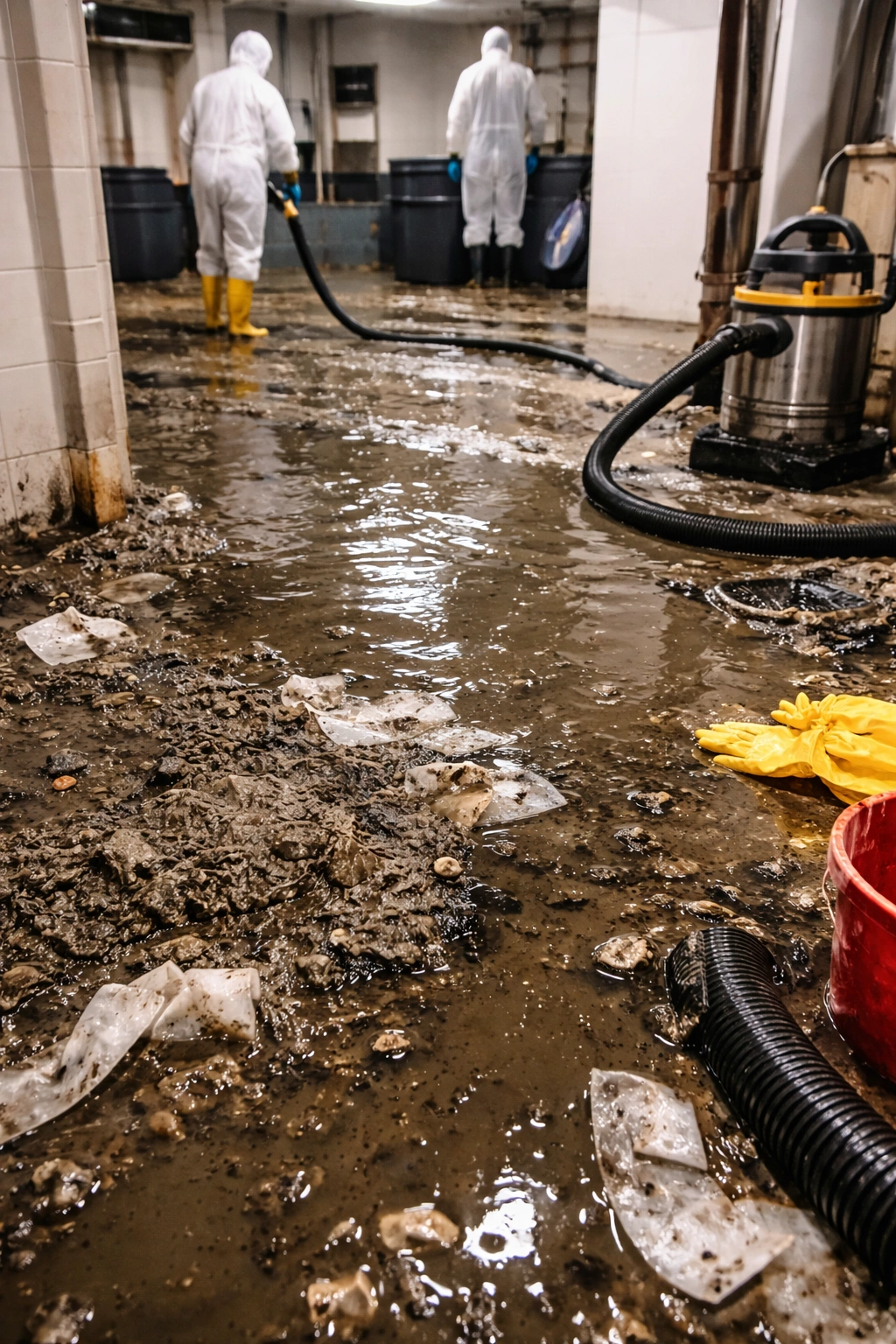
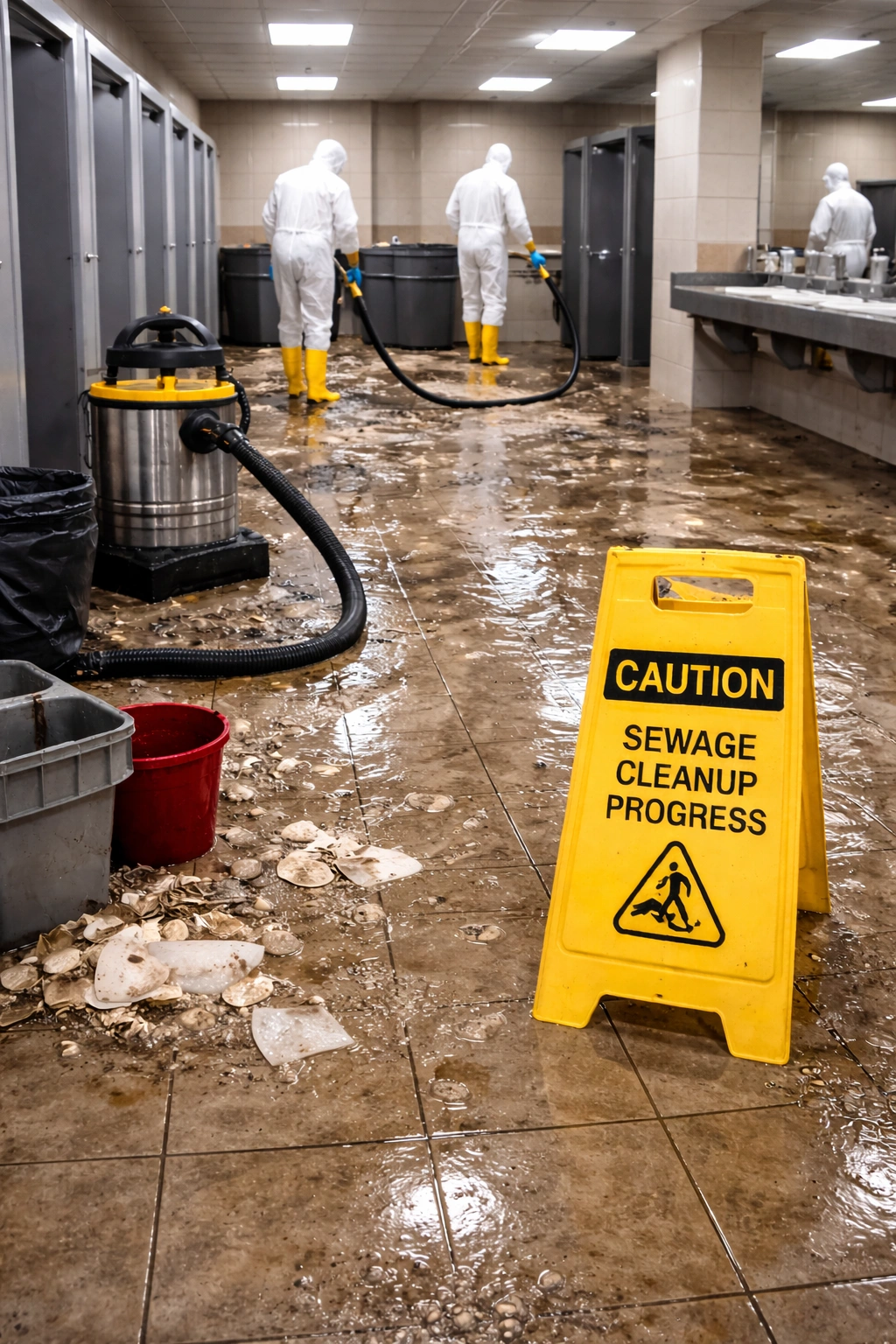
A sewage backup in a commercial property creates significant health and liability concerns and can force a business to close until the situation is resolved. Our emergency water damage restoration team in Grand Rapids responds to commercial sewage cleanup emergencies in offices, retail spaces, restaurants, apartment buildings, and other facilities throughout Kent County.
Our professional sewage cleanup process ensures contaminated areas are properly cleaned and disinfected
Technicians inspect the property and identify all areas affected by sewage water, establishing containment to prevent contamination from spreading.
Using powerful pumps, we remove sewage water and begin the cleanup process. Affected porous materials that cannot be safely decontaminated are removed and disposed of.
All affected surfaces are professionally disinfected using EPA-registered, hospital-grade antimicrobials to eliminate bacteria, viruses, and pathogens.
Our structural drying services remove moisture from floors, walls, and building materials using industrial air movers and dehumidifiers.
Damaged materials may require repairs or replacement to restore the property fully. We document everything for your insurance claim throughout the process.

Sewage water often contains moisture that can lead to mold growth if not properly dried. After sewage cleanup, our technicians perform professional structural drying to eliminate moisture and prevent future mold issues. If your property also experienced flooding, our basement flood cleanup services may be necessary to fully restore the space.
Mold can begin growing within 24 to 48 hours after sewage exposure. Our 24/7 response ensures cleanup and drying begin before mold can take hold.
Industrial air movers and dehumidifiers remove moisture from walls, floors, and structural materials — eliminating the conditions that allow mold to develop.
EPA-registered antimicrobials applied to all affected surfaces prevent bacteria and mold growth from occurring after the sewage is removed.
We do not consider the job done until testing confirms that all contamination and moisture have been eliminated and your property is completely safe.
Answers to common questions about sewage cleanup in Grand Rapids
Yes. Raw sewage is classified as Category 3 — the most hazardous level of water contamination. It contains bacteria such as E. coli and salmonella, viruses including hepatitis A and norovirus, and other dangerous pathogens that can cause serious illness. Direct contact with sewage water, or even exposure to surfaces it has contaminated, poses a real health risk. Do not attempt to clean up sewage yourself without proper protective equipment and professional-grade disinfectants.
We strongly advise against it. Effective sewage cleanup requires full protective gear, specialized extraction equipment, EPA-registered hospital-grade disinfectants, and professional protocols to ensure all contamination is eliminated. Household cleaning products are not sufficient to kill the pathogens found in raw sewage. Improper cleanup can leave hidden contamination behind that creates ongoing health risks and leads to mold growth.
Coverage for sewage backups varies by policy. Many standard homeowner's insurance policies in Michigan do not include sewer or drain backup coverage unless a specific endorsement has been added. We recommend contacting your insurance carrier promptly to determine your coverage. Regardless of your coverage type, we document all damage thoroughly with photos and detailed records to support your claim.
The initial extraction, material removal, and disinfection can often be completed within the first day. Structural drying typically takes 3 to 5 additional days, with moisture levels monitored daily. Post-cleanup safety verification follows before the job is closed. More extensive situations involving heavily contaminated areas or large volumes of water may take longer.
Yes. Porous materials such as carpet, padding, drywall, insulation, and wood that have been contaminated by sewage cannot be safely decontaminated and must be removed and properly disposed of. We carefully remove all affected materials, document everything for your insurance claim, and prepare the area for repairs and reconstruction once cleanup and drying are complete.
Yes. Sewage water introduces both moisture and organic material that mold needs to grow, and mold can begin developing within 24 to 48 hours. This is why thorough drying and antimicrobial treatment after sewage cleanup are essential — not just to address contamination but to prevent mold from taking hold in your walls, floors, and structural materials after the sewage is removed.
Grand Rapids Water Damage Pros responds to sewage backup emergencies throughout Grand Rapids and Kent County